Thursday, 18 May 2017

See How The Spanish Economy Boosted By Tourism and Exports in the First Quarter

See How Spanish Economy Boosted By Tourism and Exports in the First Quarter
2016 broke all record for tourism and 2017 is looking great too


Following a strong first quarter of Spain, Spanish Prime Minister Mariano Rajoy increased the economic outlook for the country. The economy was boosted by strong performances in the tourism and export industries.

The government now believes that national GDP will increase by 2.7% in 2017, up from the 2.5% expected at the start of the year. The stronger start to 2017 has been seen primarily in data about flights, hotels, and resorts showing record-breaking levels of tourism.

The Spanish real estate market is also offering encouraging interest and activity.

Rajoy said that the recent data for the first quarter of 2017, as well as forecasts both national and international, were behind the decision to revise the growth forecast.

The optimism matches the optimism shown by the Bank of Spain, which increased its own growth forecast to 2.8% GDP, putting Spain on the course to be one of the major economic performers of Europe in 2017.

The International Monetary Fund (IMF) published their own sober – if still encouraging – GDP increase. The IMF expects that Spanish GDP will increase by 2.6% this year, which would still leave the country ahead of the UK and USA for the second year in a row.

The Prime Minister expects GDP growth to continue across 2018 and 2019, leading to around half a million new jobs added each year. The result is that another million Spaniards will be in employment by 2020.

There is still some concern over the jobless rate, with Spanish unemployment sitting at 18.6%; one of the highest in Europe. Rajoy told reporters his government is planning a budget that prioritises this figure with plans to reduce unemployment below 16% by 2018.

Wednesday, 17 May 2017

Malaga the Second-Most Popular Cruise Ship Destination in Spain

Malaga continues to be a great stop of for Cruise Ships
Malaga the Second-Most Popular Cruise Ship Destination in Spain


Have you ever gone on a cruise? Despite the stereotype that old people are the ones taking cruises are over 50 years old, cruises are becoming more popular with the younger generations of Europe. There are so many young people taking cruises, in fact, that cruise companies are changing the way that they market holiday packages.

What’s likely not about to change any time soon is where these cruise ship passengers choose as their destination. A cruise ship needs to offer something special to be worthwhile, from the beautiful Caribbean to the sunny Aegean and frozen fjords of Norway.

The main highlight of cruises has always been docking at an incredible port city. It seems that this includes plenty of places in Spain this March. Data from Cruise Trade News has shown that the port of Malaga was the second-busiest port in Spain across March in terms of cruise ship traffics. The top spent went to bountiful Barcelona.

This is hardly going to be a surprise for regulars to the Costa del Sol who understand the beauty held by the city of Malaga. The city has medieval architecture, breathtaking vistas offered by the incredible vantage points, and tightly winding streets that all contribute to the plentiful number of reasons to visit.

Even though cruise ship passengers might only get to stay in the city for a few hours or days, the city is sure to delight even in such a small amount of time. The reputation Malaga has for being one of the most alluring sights of Spain is only growing; especially in the cruise world.

Travel company TUI are set to send their TUI Discovery 2 cruise ship to the city of Malaga for the first time next month. The ship will be packed with thousands of passengers – and their sizeable wallets – all eager to hit the shops and see the sights.

Managing director of Thomson Cruises Helen Caron said that the company was delighted to name Malaga as the homeport of the TUI Discovery 2. She said that Malaga is the ideal base for families, friends, and couples looking to see a stunning destination.

The TUI Discovery 2 has 915 cabins and is capable of housing 1,832 people. The largest cruise ship in the world – the Harmony of the Seas – impressed onlookers last summer as it pulled into the port of Malaga or a day, heading from Vigo in the northwest of Spain.

Tuesday, 16 May 2017

Leading Experts Confident in Health of Spanish Property Market

Leading Experts Confident in Health of Spanish Property Market


The next few years look very promising as the Spanish property
market continues to grow from strength to strength.
With more new homes being built, more homes being sold, and all the growth, some people were sceptical that the property market could continue into the long term, even though the early signs suggested the recovery was as sustainable as it was steady.

Now some leading analysts of the Spanish property industry are now speaking of their confidence in the health of the property market, and that it wasn’t another bubble about to burst. The latest data on house prices for March shows property prices across the country have risen between 1.8% and 4.5%. This regional variation is the driving force behind the confidence in the long-term health of Spain.

Real estate expert Mark Stücklin analysed the data from the Tinsa index. His analysis led him to the conclusion that average asking prices are very healthy right now, and are showing no signs of overheating.

He added that the Balearics is the only place where the higher price increases – as much as over 4% - are an outlier. The reason for this is that there is less landmass there, meaning there is less property and higher premiums.

The mainland of Spain is much more sober market – a fact agreed on by the Bank of Spain. Juan Antonio Gómez-Pintado – the head of the Spanish Developers’ Association – said the recovery is “normal” thanks to the average price increase of 3% in February over last year. To contrast this, a 3% gain would have been considered a small growth for a month back in the peak of the property boom in 2006.

The market this time is much more stable, secure, and attractive.

Monday, 15 May 2017

Warm Weather Training in Marbella a Hit for Heavyweight Boxer Tyson Fury

Warm Weather Training in Marbella a Hit for Heavyweight Boxer Tyson Fury


Tyson Fury hits Marbs again as do so many stars
Tyson Fury stands at six-foot-six and goes by many names; he’s the Gypsy King and the bad boy of heavyweight boxing. One of his favourite things to do is make critics eat their words by being impressive in the ring and hits the Costa del Sol. 

For some time now though, the 28 year-old Manchester giant has been a bit out of shape, a bit out of focus, and even a bit out of the limelight. The star is keeping to himself and training for his return to the ring while banned from boxing due to substance abuse.

However, while fellow British boxer Anthony Joshua was busy impressing the world with his incredible 11-set knockout against Wladmir Klitschko of the Ukraine – the man Tyson shocked the world by defeating in 2015 – Fury was busy training in Marbella under the guidance of WBO World Middleweight Champion Billy Joe Saunders. Tyson declared that he had lost over a stone since starting training the Spanish sun. Fury hopes he can continue training and be in peak condition to take on Anthony Joshua. Fury didn’t want long to challenge his fellow Brit to a fight down the line.

Fury spoke after watching the fight from Saturday in the glitz and glamour of Puerto Banus, saying that he accepted Anthony Joshua’s challenge; saying their fight would be the biggest in 500 years and that Joshua was “a boxer’s dream”.

Fury has always considered to be a little unorthodox in the heavyweight world. At worst he’s seen as an overweight brawler who has been lucky enough to be in the right place at the right time. It’s impossible to deny that an in-shape Tyson Fury is a daunting prospect however.

Fury himself was the first to admit that he’d packed a little weight during recent months, but spoke highly of his sun-soaked training system; saying it helped him get back into fighting shape.

He said that the warm and bright weather is practically melting the pounds off, confirming he has lost 18 pounds so far and continues to lose weight.

Many professional sportspeople and teams have chosen to do their warm-weather training in Marbella. Many major clubs in the English Premier League head to the city during the summer before the start o the season to make the most out of the great climate and better facilities. The climate of the region allows it to be a warm-weather training destination during the winter months as well.

Thursday, 11 May 2017

15-Year Rule to Still Apply in the UK General Election in June

15-Year Rule to Still Apply in the UK General Election in June
British voters will still not be allowed to
vote if they have been out of the country
for over 15 years

The controversial law stating British expats aren’t legally allowed to vote in General Elections and national referendums if they have been overseas for over 15 years will still be in place and applicable during the June 8 snap election.

There has been several times when the law was due to be scrapped, most recently for the 2015 general election, and then again during the EU referendum of last year that saw Britain vote to leave the EU.

Both of these occasions saw the issue of giving British citizens back their full democratic rights was slowly pushed off of the table. Last Friday it was confirmed by the British Cabinet Office confirmed that there isn’t going to be enough time to change the law before the election in June.

The result is that over one million British people living overseas are going to be denied the chance to cast their vote in the upcoming election; causing Dave Spokes – a founding member of the Expat Citizens Rights in the EU support group – to express how disappointed the inaction of the Conservative government left him.

He had the following to say on the matter; “The people most affected by the EU referendum were not allowed to vote in it, simply because they exercised their right to live in another EU country.”

Thousands of people have signed an online petition calling for expats to be given the right to vote following the government’s confirmation that the law would not be changed.

The campaign was set up by Chris Madsen – a resident of France – in the hopes of pressuring the Conservative government into pushing back the date of the general election to make time to change the law, or push the administration to allow long-term expats to vote through.

Masden set up the petition on change.org, in which he wrote that it was wrong for the UK to disenfranchise their own citizens like this at such a time, especially given that they announced plans to abolish the 15-year rule.

Even though it’s unknown how long-term expats would vote in the general election, it appears to that many of them would likely be against the Brexit. They would most likely vote for the parties that aim to reverse the Brexit if they would win the election.

Wednesday, 10 May 2017

The “World’s Most Dangerous Footpath” Has Opened Back Up, But Dare You Walk Down It?


The “World’s Most Dangerous Footpath” Has Opened Back Up, But Dare You Walk Down It?
Visiting Caminito del Ray is a must for Thrillseekers


The “World’s Most Dangerous” footpath is the Caminito delRay footpath. While this moniker might be a little unfair, it is true that five deaths happened at the trail before it was closed in 2001. So, perhaps there is some truth to it.

The pathway is now set to be reopened for the third summer season following a makeover totalling €5.5 million over a 14-year hiatus. Thrillseekers looking to edge along this footpath are already on sale. The footpath hugs against the sheer cliffs of the Gaitanes Gorge, above a 330 foot drop to the Gualdahorce river.

The route can be found in El Chorro, near Malaga. It was closed following the deaths of five people between 1999 and 2000. Spain has always considered the rough parts of the country to be more “enter at your own risk”, but it seems the additional levels of health and safety has no doubt been welcomed by tourists; the route has brought in 600,000 visitors since it reopened in 2015.

The summer season begins on the 22nd of April this year, and the organisers of the attraction have decided on a limit of 1,100 visitors per day. This is to keep the crowd numbers low and improve visitor safety. Tickets can be purchased for €10. Visitors can make their way along the entire four0mile pathway and see the beautiful gorge for themselves –if the weather allows it of course.

There are many brilliant natural attractions in Spain, but not many of them are as white-knuckle as El Caminito del Rey. If you don’t mind taking the risk, then you should try to take on the pathway yourself and see the beautiful hills of Malaga.

The most important thing is; never look down!
Find out more at www.caminitodelrey.info/en/.

Monday, 8 May 2017

Find out Why Wine Consumption Increases in Spain for First Time in a Decade


Find Out Why Wine Consumption Increases in Spain for First Time in a Decade


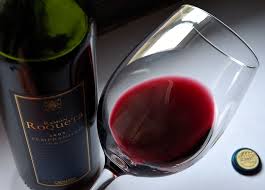
Spanish wine is the best in the world
One of the most simple pleasures of life in Spain is drinking so wonderful wine and relaxing by the side of a pool, on the beach, or in a bodega.

Even so, the reality is that wine consumption in Spain has been falling for the past few years. No one understand just why it happened either. The economy might have been partly to blame, of course, but people will often turn to affordable, simple treats during tough times so they can get through them easier. There’s nothing quite as cheap in Spain as local wine.

There is also the suggestion that Spanish wine has become boring and staid, especially among the younger generation. Younger Spaniards appear to prefer drinking spirits like rum and gin, and beers, rather than wine.

However, in 2016, it looks like this trend is reversed. The latest data from the Spanish Wine Market Observatory (Observatorio Español del Mercado del Vino) showed a 4% increase of Spanish wine consumption, with a total of 9.8 million hectolitres consumed.

Spain is the present world leader in producing wine, with a total of 42 million hectolitres made each year. Even though Spain is the leading producer of wine, it’s one of the lowest as far as consumption goes when compared to other top producers. By 2014, the annual wine consumption in Spain was just 21 litres per head; down from over 40 in 1970.

The figure has now risen to around 22 litres per head, which puts it on par with the UK, but still very far below the average annual wine consumption in the other leading wine producing nations of Europe.

The official shows, for example, that Slovakians and Croatians are drinking around 44 litres of wine each per year. The French are drinking around 42.5 litres, while the Portuguese are drinking 41.7 litres and the Italians are drinking 33 litres.

While these countries might have high average wine consumptions, they all pale in comparison to The Vatican. This small country has an average wine consumption of 53.83 litres per person per year.

Spanish wine regardless of the consumption with young people still represents some of the best wine in Europe due to quality and price.