Thursday, 11 May 2017

15-Year Rule to Still Apply in the UK General Election in June

15-Year Rule to Still Apply in the UK General Election in June
British voters will still not be allowed to
vote if they have been out of the country
for over 15 years

The controversial law stating British expats aren’t legally allowed to vote in General Elections and national referendums if they have been overseas for over 15 years will still be in place and applicable during the June 8 snap election.

There has been several times when the law was due to be scrapped, most recently for the 2015 general election, and then again during the EU referendum of last year that saw Britain vote to leave the EU.

Both of these occasions saw the issue of giving British citizens back their full democratic rights was slowly pushed off of the table. Last Friday it was confirmed by the British Cabinet Office confirmed that there isn’t going to be enough time to change the law before the election in June.

The result is that over one million British people living overseas are going to be denied the chance to cast their vote in the upcoming election; causing Dave Spokes – a founding member of the Expat Citizens Rights in the EU support group – to express how disappointed the inaction of the Conservative government left him.

He had the following to say on the matter; “The people most affected by the EU referendum were not allowed to vote in it, simply because they exercised their right to live in another EU country.”

Thousands of people have signed an online petition calling for expats to be given the right to vote following the government’s confirmation that the law would not be changed.

The campaign was set up by Chris Madsen – a resident of France – in the hopes of pressuring the Conservative government into pushing back the date of the general election to make time to change the law, or push the administration to allow long-term expats to vote through.

Masden set up the petition on change.org, in which he wrote that it was wrong for the UK to disenfranchise their own citizens like this at such a time, especially given that they announced plans to abolish the 15-year rule.

Even though it’s unknown how long-term expats would vote in the general election, it appears to that many of them would likely be against the Brexit. They would most likely vote for the parties that aim to reverse the Brexit if they would win the election.

Wednesday, 10 May 2017

The “World’s Most Dangerous Footpath” Has Opened Back Up, But Dare You Walk Down It?


The “World’s Most Dangerous Footpath” Has Opened Back Up, But Dare You Walk Down It?
Visiting Caminito del Ray is a must for Thrillseekers


The “World’s Most Dangerous” footpath is the Caminito delRay footpath. While this moniker might be a little unfair, it is true that five deaths happened at the trail before it was closed in 2001. So, perhaps there is some truth to it.

The pathway is now set to be reopened for the third summer season following a makeover totalling €5.5 million over a 14-year hiatus. Thrillseekers looking to edge along this footpath are already on sale. The footpath hugs against the sheer cliffs of the Gaitanes Gorge, above a 330 foot drop to the Gualdahorce river.

The route can be found in El Chorro, near Malaga. It was closed following the deaths of five people between 1999 and 2000. Spain has always considered the rough parts of the country to be more “enter at your own risk”, but it seems the additional levels of health and safety has no doubt been welcomed by tourists; the route has brought in 600,000 visitors since it reopened in 2015.

The summer season begins on the 22nd of April this year, and the organisers of the attraction have decided on a limit of 1,100 visitors per day. This is to keep the crowd numbers low and improve visitor safety. Tickets can be purchased for €10. Visitors can make their way along the entire four0mile pathway and see the beautiful gorge for themselves –if the weather allows it of course.

There are many brilliant natural attractions in Spain, but not many of them are as white-knuckle as El Caminito del Rey. If you don’t mind taking the risk, then you should try to take on the pathway yourself and see the beautiful hills of Malaga.

The most important thing is; never look down!
Find out more at www.caminitodelrey.info/en/.

Monday, 8 May 2017

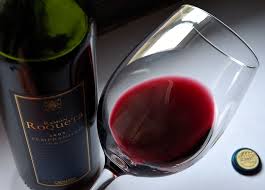
Find out Why Wine Consumption Increases in Spain for First Time in a Decade


Find Out Why Wine Consumption Increases in Spain for First Time in a Decade


Spanish wine is the best in the world
One of the most simple pleasures of life in Spain is drinking so wonderful wine and relaxing by the side of a pool, on the beach, or in a bodega.

Even so, the reality is that wine consumption in Spain has been falling for the past few years. No one understand just why it happened either. The economy might have been partly to blame, of course, but people will often turn to affordable, simple treats during tough times so they can get through them easier. There’s nothing quite as cheap in Spain as local wine.

There is also the suggestion that Spanish wine has become boring and staid, especially among the younger generation. Younger Spaniards appear to prefer drinking spirits like rum and gin, and beers, rather than wine.

However, in 2016, it looks like this trend is reversed. The latest data from the Spanish Wine Market Observatory (Observatorio Español del Mercado del Vino) showed a 4% increase of Spanish wine consumption, with a total of 9.8 million hectolitres consumed.

Spain is the present world leader in producing wine, with a total of 42 million hectolitres made each year. Even though Spain is the leading producer of wine, it’s one of the lowest as far as consumption goes when compared to other top producers. By 2014, the annual wine consumption in Spain was just 21 litres per head; down from over 40 in 1970.

The figure has now risen to around 22 litres per head, which puts it on par with the UK, but still very far below the average annual wine consumption in the other leading wine producing nations of Europe.

The official shows, for example, that Slovakians and Croatians are drinking around 44 litres of wine each per year. The French are drinking around 42.5 litres, while the Portuguese are drinking 41.7 litres and the Italians are drinking 33 litres.

While these countries might have high average wine consumptions, they all pale in comparison to The Vatican. This small country has an average wine consumption of 53.83 litres per person per year.

Spanish wine regardless of the consumption with young people still represents some of the best wine in Europe due to quality and price.

Saturday, 6 May 2017

Study Finds Costa del Sol One of the Best Value Beach Destinations in Europe

Study Finds Costa del Sol One of the Best Value Beach Destinations in Europe

There are 100's kilometres of fantastic beaches on the Costa del sol

A study from the UK Post Office of 19 European beach destinations discovered the Costa del Sol is the third-most affordable resort in Europe.

Even though Sunny Beach in Bulgaria was the top of the polls, it was still impressive for the Costa del Sol to come in third behind the Algarve in Portugal, especially given that the region comes with some of the most luxurious and family-friendly resorts in the world.

The Post Office survey analysed the cost of a basket of the everyday items a family would need on holiday. They found that it would cost £61 for all these items in the Costa del Sol. The basket includes 10 holiday staples such as ice cream, sun cream, and evening drinks and meals.

At the Sunny Beach of the Bulgarian Black Sea, the basket cost just £37, and £58 in the Algarve.

An interesting statistic is that the most expensive location in Europe can also be found in Spain. This shopping basket would cost £131 in Ibiza. So, by comparison, the Costa del Sol is incredible value.

While Marbella and Puerto Banús might not have the reputation and the nightlife of Ibiza, they are still able to stand their ground as far as glamorous clubs goes. In terms of theme parks, beaches, weather, restaurants, transport, choice and culture; there’s a wealth of choice in Costa del Sol.

Not far away from Cosat del Sol is the Costa Blanca, where the tourist basket would be £76; over 25% more expensive than in the Costa del Sol. It’s £89 in Majorca, around 47% higher than in the Costa del Sol.

The top five was completed by Marmaris in Turkey and Paphos in Cyprus. The five most expensive resorts of Europe were Ibiza, Sorrento of Italy, Nice of France, Zadar of Croatia, and the Lisbon coast in Portugal.

Friday, 5 May 2017

Malaga has Become The Most Dynamic Property Market of Spain

Malaga has Become The Most Dynamic Property Market of Spain
Southern spain continues to be the best place to buy property
in spain

The latest report from the BBVA Bank, called Situación Inmobiliaria España (‘Spain Real Estate Outlook’) has named Malaga – the home of the Costa del Sol – as the province with the most homes sold in Spain. Demand for homes in the region have increased around 15% between 2014 and 2016.

The study was presented in the Costa del Sol capital by analysts from BBVA Félix Lores and David Cortés. It also shows other positive facts about the real estate sector of Spain and how healthy it is.

The authors of the study pointed out that, between 2014 and 2016, Malaga property prices rose by 3.1% - which is three times the national average. This puts the province into third position in Spain. The only regions that came in front of it were the Balearics and Barcelona, where prices increased 3.5% and 3.3% respectively. This kind of positive change wasn’t seen in every region in Spain, as prices in Seville dropped 1.6% during this period.

The study showed new house project building licenses in Malaga increased by 55%. This puts the province – along with Barcelona, Alicante, and Madrd – ahead of the pack. The study did admit that numbers aren’t close to the peak levels before the financial crisis of 2007, even if they are recovering nicely.

Lores said that sales picked up since 2013 with Barcelona, Madrid, and the rest of the Mediterranean arc and islands enjoying the most recovery in Spain. The findings of Lores are in line with the findings of real estate experts, in that he agrees the growth in Spain is driven by an increase in buyers from overseas, along with better employment rates and higher levels of disposable income in Spain.

Thursday, 4 May 2017

Spain to Attract Massive Investment in Renewable Energy

Spain to Attract Massive Investment in Renewable Energy

Its n wonder with over 300 days of sunshine a year
that massive investment in renewable energy is coming again
The Spanish government hardly has the best record when it comes to supporting renewable energy. While the country has some of the highest levels of solar and wind power installed in Europe, most of these were installed before 2010; before the current Prime Minister Mariano Rajoy assumed power.

The People’s Party that Rajoy leads aren’t against the idea of clean energy. The problem is that the incentives the previous government put into place for solar power were too generous; it was impossible for the government to continue justifying them.

There was a time when Spanish home-and-business-owners who installed solar panels – or even power plant operators with solar farms – were rewarded. They were offered a good feed-in tariff that saw them get some euros in return for the kilowatts of electricity their solar solutions pumped into the national grid.

It was decided in 2011 that the scheme had become perhaps too popular, with over 8 gigawatts of solar power generated by that point. It was taking too much money out of the government, especially given the economic troubles and recession at the time.

Move forward to 2017 – and the introduction of the “Solar Tax” as it was affectionately known – and Spain is ready to become clean once again. There’s plenty of good reason why too. The southern end of Spain is one of the windiest regions in Europe, as you likely know if you’ve tried to sit at the beachside bars in Cádiz. Wind power – whether onshore or offshore – is an affordable and viable source of energy for Spain.

Add in that almost the entire country ranks in the top regions of Europe with the most sunlight and it becomes clear that Spain should become a solar power hotbed again.

This idea stands to become reality on the 17th of May, as the Ministry of Energy, Tourism, and Digital Agenda of Spain will hold a renewable energy auction for three gigawatts of clean power. This basically means that companies interested in creating a solar or wind farm will be able to “bid” for large capacities. The winning bidder will be the one who offers the most competitive price for power per megawatt-hour, and will be chosen by the Spanish Electricity Market Operator (OMIE).

It’s expected that the auction will generate plenty of interest from companies; both Spanish and international. Firms from across Germany, China, South America, and the USA are expected to join all the Spanish companies trying to land contracts.

By this time next year, there will be far more wind and solar power available in Spain, built for less than the cost of coal power. This will translate into reduced bills for average consumers, and it also means that Spain will have cleaner energy and a more secure energy future.

Wednesday, 3 May 2017

Spanish Tax Take Returns to 2007 Levels – and That’s Good

Spanish Tax Take Returns to 2007 Levels – and That’s Good
With more Taxes coming Spain continues to grow

Almost no one enjoys the idea of having to pay higher taxes. The reality is that higher taxes present a more favourable outcome than lower taxes though.

Look at the USA and Greece. Many Americans are staunch believers in the libertarian way, and almost any presidential candidate that suggests raising taxes is given the boot quickly. The result is that parental leave is almost non-existent, as is personal healthcare. Then there are all the problems with public transport and the roads in bigger cities.

Then look at Greece. The country struggled for years because of the culture of tax avoidance and the damage it caused to the economy. Some people might have become rich by dodging their taxes, but society as a whole suffered badly, and still continues to suffer.

Spain has taken a more socialist and liberal approach to taxes. Income tax is often higher in Spain than it is in the UK. Companies are also expected to pay high taxes on their profits. Even so, it’s usually clear where all of the tax money is going. All the roads, resorts, beaches, and cities are kept clean, modern, attractive, and safe. Spaniards are more than happy to pay higher taxes if this is what they get as a result.

With this in mind, many Spaniards will no doubt welcome the news that Spain is expected to collect around €200.9 billion in taxes this year. There are two main reasons this is good news. The first is that it shows the individuals and businesses of Spain are paying their fair share. The other is that it shows the Spanish economy is managing to perform quite strongly following the recovery from the credit crunch and double-dip recession.

The minister for the Treasury in Spain, Cristóbal Montoro, said that the €200.9 billion figure will be an increase of 7.9% on the tax take of 2016, as well as a record annual figure for the country.

The majority of this money will come from company profit taxes and personal income tax. Commercial taxes will be responsible for around €2.4 billion of the money; a 12% increase over last year.

Montoro also said that Spain has come clear of the economic troubles of the past five years; which saw the loss of 3.5 million jobs and a devastated GDP. Nowadays, both GDP and employment figures are up, and the government feels comfortable increasing taxes on companies. Increasing taxes is never very popular with small businesses, but economists consider it a necessary move to keep GDP growing.

The next aim for the minister is encouraging businesses to increase their wages to keep up with the wider improvement of the country. Montoro said that the time when staff are paid as if they work in a country on the brink of recession has passed, and that the economy is recovering.

It’s expected that the amount of income tax collected this fiscal year will be 7.7% higher than that of 2016. This shows an increase in jobs and wages, but it also shows there is still some room left for improvement.